What Is Allergy Management?
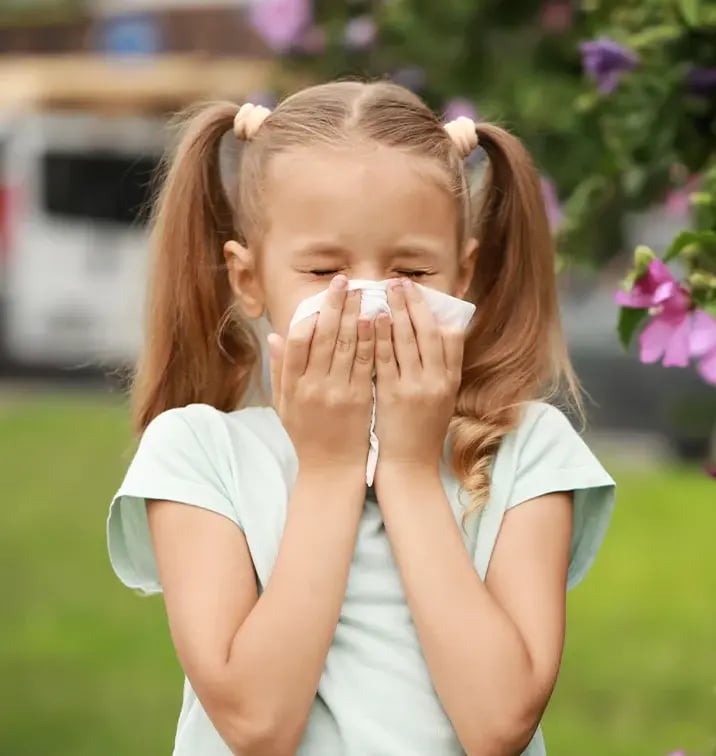
Allergy management means identifying what is triggering your child's symptoms and creating a clear plan to address them. For kids, allergies can show up in many ways, from a stuffy nose that never goes away to a serious reaction after eating a new food. Without the right diagnosis, it’s easy to miss what’s really going on.
Our board-certified pediatricians and nurse practitioners are experienced in identifying both food and environmental allergies in children. We take the time to listen to your concerns, review your child’s history, and guide you through the next steps, whether that means managing symptoms at home or coordinating with a specialist.

How to Prepare for Your Child’s Allergy Visit
A little preparation goes a long way. Here are a few things that will help us make the most of your child’s appointment:


Conveniently Located in Marietta, GA
Cobb Pediatrics serves families throughout West Cobb County, including Marietta, Smyrna, Vinings, and Fair Oaks. We are easy to find and ready to help.
.webp?width=2000&height=888&name=CobbStateOutline%20(1).webp)


Frequently Asked Questions
Yes. Allergies can develop at any age, and some children do not react the first time they are exposed to a trigger. Symptoms may appear gradually or suddenly. If you notice anything unusual, even if it seems minor, it is worth a conversation with your child's provider.
A food allergy involves the immune system and can cause serious reactions, including hives, swelling, vomiting, and in severe cases, anaphylaxis. A food intolerance typically causes digestive discomfort but is not life-threatening. Your child's provider can help determine which one may be affecting your child and what to do about it.
Diagnosis starts with a thorough review of your child's symptoms and health history. Depending on what we find, your provider may recommend allergy testing, dietary tracking, or a referral to a specialist for further evaluation. We will walk you through every option so you can make an informed decision.
If your child is having a severe reaction, including trouble breathing, significant swelling, or a sudden drop in energy, call 911 or go to the nearest emergency room right away. For non-emergency concerns, you can call our office at (770) 425-5331 during regular business hours, or use our after-hours nurse line for guidance.
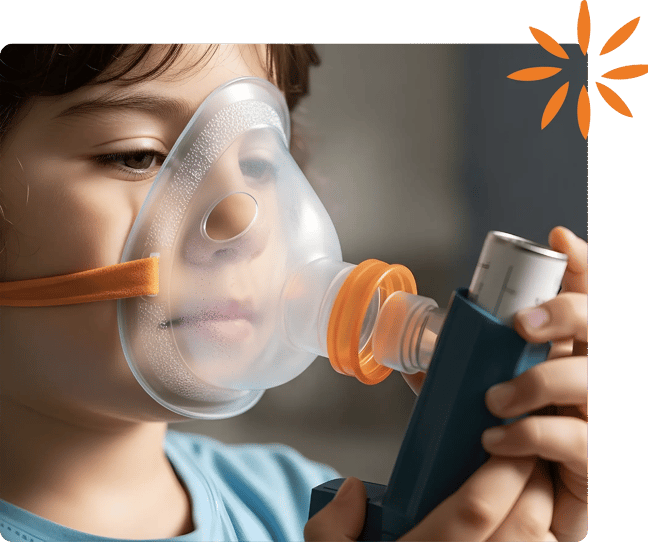
Yes. Exposure to allergens like pollen, dust mites, pet dander, and mold can trigger or worsen asthma symptoms in children who have both conditions. Cobb Pediatrics offers our BreatheWell program specifically for children with asthma, which includes personalized management plans and education for the whole family. Ask your provider if a BreatheWell visit might benefit your child.